- A Better Way to Say That
- Posts
- Managing the (too many) messages
Managing the (too many) messages
The answer is *not* another app!
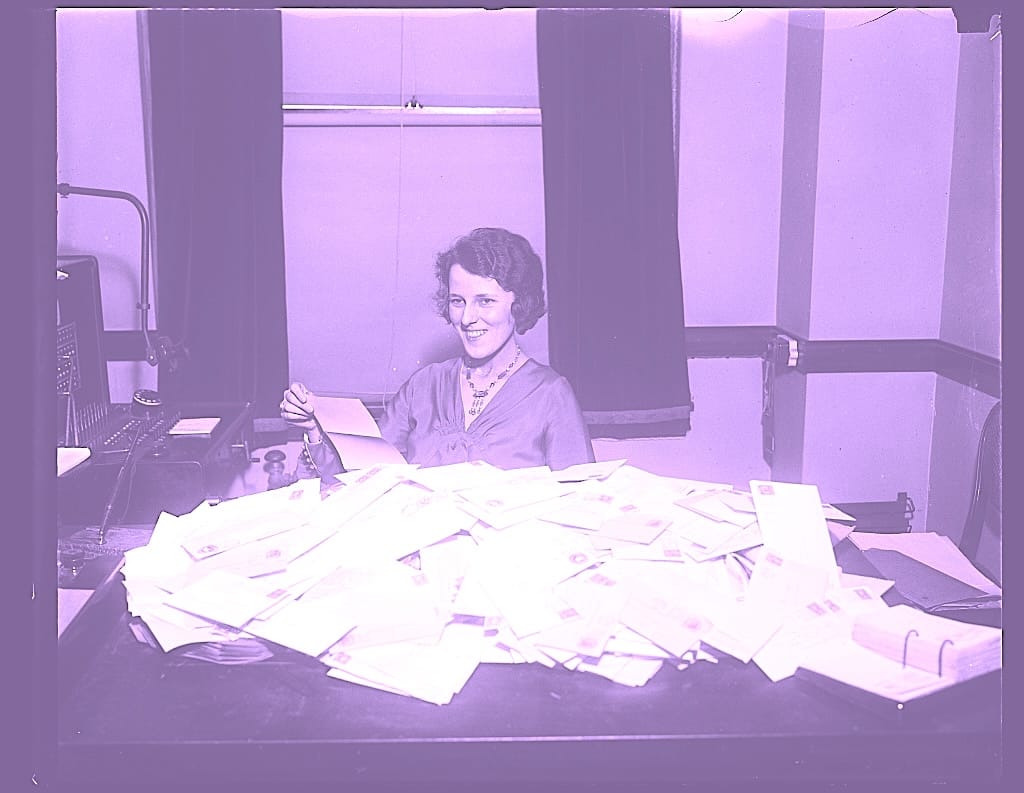
From Picryl
Slack, Asana, Teams, Monday, Signal, WhatsApp, LinkedIn, email: what do all of these platforms have in common?
If you juggle multiple projects, someone is probably sending you messages on all of them. Right at this very moment, perhaps. [Pause while you flip through eight browser tabs to make sure you’re not missing anything.]
On one hand, message overload is much better than silence! And in many lines of work, managing the different communications streams is part of the job. So it’s hard to complain too much.
On the other hand—wouldn’t it be nice everyone could just pick a single tech stack to work from?
In the ideal world, the Work Overlord Council would read this newsletter and immediately call a meeting (on Zoom? Another place where you can get messages!). They’d determine the perfect—and finite—suite of apps everyone is contractually obliged to use, and every company would reorganize itself accordingly.
But because even two board members agreeing on Teams vs. Slack is an outlier, in the meantime here’s how PSE manages the onslaught. Sometimes seeing a simple strategy outlined in plain English is more helpful than a Revolutionary New Approach*.
*Or yet another app.
Set a time to look: we cycle through all the messaging platforms in bursts at regular intervals. There’s a lot of important stuff coming in through them, after all!
Decide when not to look, too: when we’re doing something important—like running a meeting or trying to write a newsletter—we minimize the browser tabs. Incoming messages bring a strange mix of dopamine hit, diversion, and uncertainty (the possibility that it’s actually your friend group-chat, mother, or total spam). Sometimes going through them can be more work-adjacent than actual-work. So when we need to complete a task, everything else goes off the screen.
Mute all alerts and noises: the continual bleeping and pinging is a distraction, it doesn’t help, and it stresses us out to hear something incoming and not be able to get to it. We mute them all for our sanity and work quality.
Immediately move tasks from message to to-do’s: when we see an incoming request, we immediately move it out of the messaging platform and into our to-do list system. Otherwise, it’s too easy to forget where it came from, and to spend ages trying to track it down later.
Choose your fighters (in reasonable numbers). Annmarie isn’t on Telegram. Nick doesn’t do Signal. Neither of us will see anything you send on Instagram DM anytime soon. That’s okay! We picked a doable number of apps to work with, and we can be flexible if needed, but at a certain point the phone memory runs out and that’s that.
Will these tips bring you Inbox Zen, if not Inbox Zero? YMMV! We’ve checked our phones multiple times while writing and editing this. But we also got our work done, ensured everything was in line for the rest of the day, and left no tasks floating out there in the abyss.
Which is probably the best we can hope for, until that Work Overlord Council gets on it. Maybe we should ping them on one of their seventeen devices?
(Have a project where clear strategy and effective execution might be useful? Hit us up here! We love putting ideas into action.)
Oh, and one more thing…
Because the last word is rarely the end of the conversation.
A new study from Cornell about “corporate bullshit” found that results-oriented individuals who proactively leverage it also make other bad decisions all the time.
From title to image to body copy, “Sometimes Two People Just Fall Out Of Cahoots” is one of the most brilliantly executed creative pieces in living memory.
Nonfiction book sales dropped 8.4 percent last year—but as Paul Elie argues (convincingly) in The New Republic, our appetite for “long fact” might actually be growing stronger.
Pebbles of the month
Much like penguins, we enjoy bringing you little gifts to show we care:
Sick of seeing AI Overviews in your Google search results? Add “f******” (the uncensored version of it) to the end of your query—and if you really want to search more effectively, check out this guide to Google’s hidden reference desk features.
The Norwegian Consumer Council’s viral video about enshittification has a comments section that will do wonders for your mental health and hope in humanity.
The Rock Steady Farm in Millerton, NY is hiring a Director of Resource Mobilization & Communications with a package that includes $70,000 a year and a full diet CSA, the first time we’ve seen this in a job posting.
Books are still good
Here’s what one of us is currently reading:
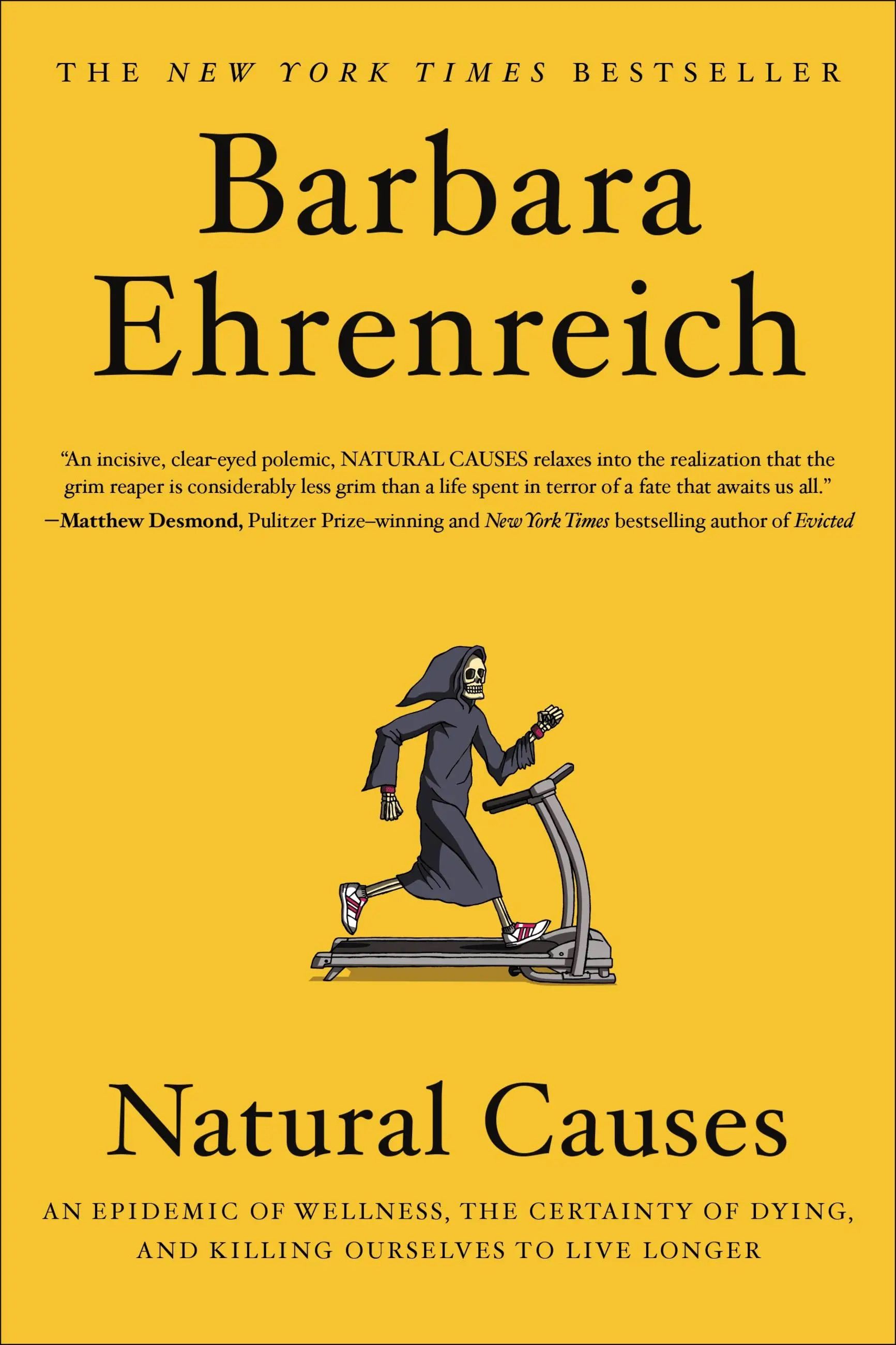
“If there is a lesson here it has to do with humility. For all our vaunted intelligence and ‘complexity,’ we are not the sole authors of our destinies or of anything else. You may exercise diligently, eat a medically fashionable diet, and still die of a sting from an irritated bee.”
The late Barbara Ehrenreich was, in the opinion of PSE, one of the most interesting and readable health writers of our time. Co-author of the legendary pamphlet Witches, Midwives, and Nurses—which traced the centuries-long battle between often-ostracized women healers who kept sick people alive, and highly-credentialed men who tended to do the opposite—Ehrenreich spent much of her career making persuasive cases for arguments that seemed counterintuitive to most people.
Natural Causes is a prime example of this. Sympathetic anecdotes about fast food and cigarette-loving relatives aren’t found in most health books. Nor are chapters on “cellular treason” or “the madness of mindfulness.” But Ehrenreich wasn’t in the business of kneejerk contrarianism. Rather, she was trying to point out that human beings’ control over the course of our lives is less absolute than many of us think.
This makes Natural Causes an oddly uplifting read. Despite her PhD in cellular immunology, Ehrenreich wrote with a simple and direct style that conveyed sincere compassion for people of all backgrounds and education levels. Instead of “you’re doing it all wrong,” her book seems to say:
“Relax. Life is hard and unpredictable; no amount of protein or pilates or B vitamin supplements will make you immune to that. Enjoy it as much as you can, for as long as you can. That’s the best anyone can do.”
Want to learn a little more about us? Check out our website, or follow us on LinkedIn!